
Diesel prices have surged just as many U.S. farmers fire up combines and trucks for the corn and soybean harvest, according to Headline USA’s report citing AAA and interviews with farmers and an agricultural economist.
AAA data: new high, then higher
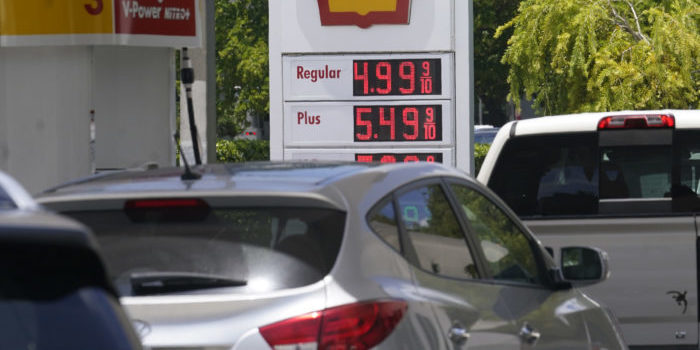
The report states the U.S. average diesel price hit a record on Sept. 4 at $5.85 per gallon and rose to $6.05 per gallon on Friday, according to AAA. It also says diesel is roughly 60% more expensive than it was in late February, when the national average was about $3.76 per gallon, per AAA.
Report’s attribution: war-linked disruptions
Headline USA attributes the spike to a “six-month war with Iran” disrupting global fuel flows and to crude oil price increases amid reported disruptions to tanker traffic in the Strait of Hormuz. The report further claims the U.S. and Israel launched their war against Iran in late February. Patriot Nation Press has not independently verified these geopolitical claims.
On the ground: ‘Those prices hurt’
“Those prices hurt,” said Paul Mitchell, a professor of agricultural and applied economics at the University of Wisconsin–Madison, in the report. He noted fuel costs hit not only harvesting but also hauling grain and silage from field to farm and to market. “Farms that are cash strapped, they’re the ones that are most having to figure out what to cut to make this work,” he added.
Missouri corn and soybean farmer Jason Kurtz told the outlet he is paying twice as much for diesel this year. His combine uses about 200 gallons a day, and he expected to run it for 30 days. He also needs diesel for a tractor and trucks. “We have to harvest. We have to run the machines. We have to use the diesel, so it cuts into our bottom line,” Kurtz said. He described finances as “already tight” after higher fertilizer and chemical costs, and said he plans to delay some work in hopes diesel prices fall. “That’s one good thing about farming. Tomorrow will be different.”
Why it matters
The timing collides with harvest for two major U.S. commodities—soybeans and corn—when farms often burn significant fuel to bring crops in and move them to buyers, according to the report.
Sources: Headline USA; AAA; quoted remarks by Paul Mitchell (University of Wisconsin–Madison) and Missouri farmer Jason Kurtz as reported by Headline USA (adapted from AP).